To be listed on the CAMPOSOL TODAY MAP please call +34 968 018 268.
Guidelines for submitting articles to La Manga Club Today
Hello, and thank you for choosing La Manga ClubToday.com to publicise your organisation’s info or event.
La Manga Club Today is a website set up by Murcia Today specifically for residents of the urbanisation in Southwest Murcia, providing news and information on what’s happening in the local area, which is the largest English-speaking expat area in the Region of Murcia.
When submitting text to be included on La Manga Club Today, please abide by the following guidelines so we can upload your article as swiftly as possible:
Send an email to editor@lamangaclubtoday.com or contact@murciatoday.com
Attach the information in a Word Document or Google Doc
Include all relevant points, including:
Who is the organisation running the event?
Where is it happening?
When?
How much does it cost?
Is it necessary to book beforehand, or can people just show up on the day?
…but try not to exceed 300 words
Also attach a photo to illustrate your article, no more than 100kb
PROPERTY SEARCH
PROPERTY SEARCH
article_detail
Date Published: 05/10/2026
Spain heads back to the polls this November in surprise general election
From housing and rents to immigration and tourism, here are the issues that could affect life in Spain
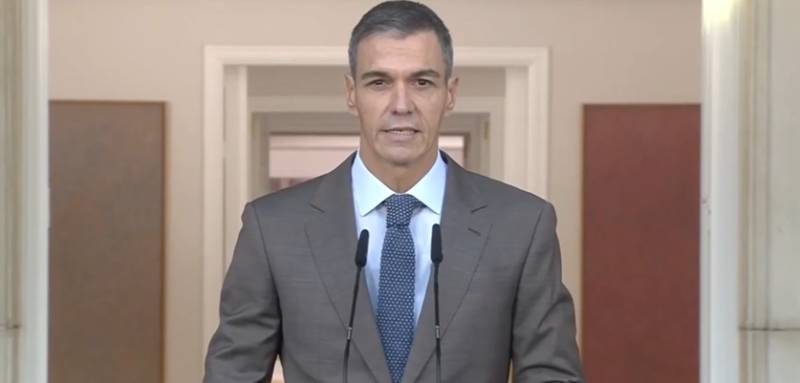
Spain is heading back to the polls earlier than expected after President of the Government Pedro Sánchez announced a snap general election for Sunday November 29.
The announcement came just days after his government suffered a major defeat in Congress when two emergency housing measures were rejected, exposing once again just how difficult it has become for Sánchez to get legislation through Parliament.
For people living in Spain, and the millions of visitors who arrive here every year, the election itself won't suddenly change everyday life. Shops will stay open, flights will operate and holidays will go ahead as normal. What happens afterwards, however, could have much bigger implications depending on the make-up of the next government.
Sánchez's Socialist-led government has been operating without a reliable majority since the 2023 election, meaning it has had to negotiate with a collection of smaller parties to get legislation approved. That arrangement has become increasingly difficult, with the government suffering a series of parliamentary defeats.
The immediate trigger for the election, however, was undoubtedly housing.
Spain's housing crisis has become one of the country's biggest political issues, with rents and property prices rising sharply in many parts of the country. Two measures put forward by the government were intended to strengthen protections for tenants, restrict some forms of property speculation and make it harder to evict vulnerable people.
They were rejected in Congress last Friday after the conservative Partido Popular, Vox and Catalan pro-independence party Junts all voted against them.
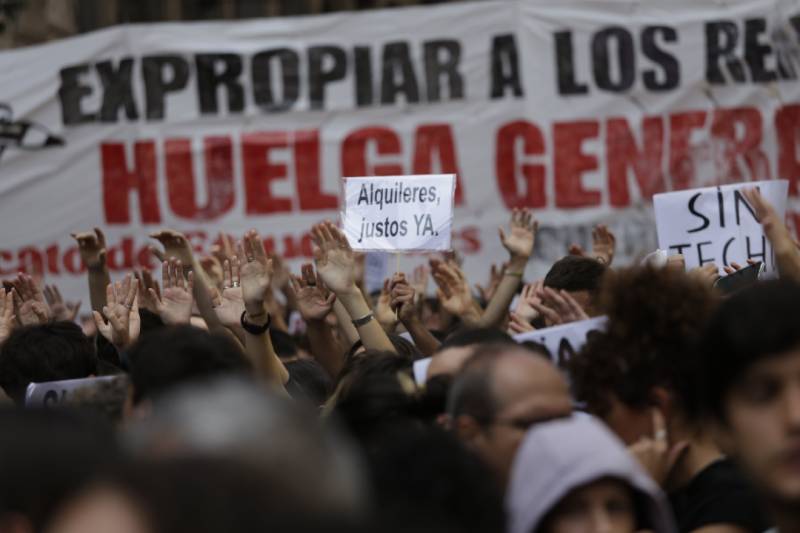
The defeat came after weeks of growing public anger about housing costs, including protests following the eviction of an 87-year-old woman from her Madrid home. Demonstrations have taken place in cities across Spain as pressure grows on politicians to do something about rising rents and a shortage of affordable homes.
Sánchez has now effectively decided that if his government cannot get enough support in Parliament to tackle these problems, Spanish voters should decide what happens next.
For residents, housing is likely to remain one of the biggest issues throughout the campaign. That could be particularly important for anyone renting, looking to buy or relying on Spain's increasingly popular short-term and holiday rental market. The proposals rejected last week included measures relating to temporary rentals and room lets, so changes to the rules surrounding rental properties could remain firmly on the political agenda.
Property owners and landlords will also be watching closely. Different parties have very different ideas about how Spain should deal with the housing shortage, with the PP arguing that increasing construction is a better solution than introducing more restrictions on the rental market.
The election could therefore have consequences well beyond people currently struggling to find somewhere to live, particularly in areas with large numbers of holiday properties and foreign homeowners.
For British and other foreign residents, immigration is another issue likely to feature heavily during the campaign. Sánchez's PSOE has generally supported a more open approach to immigration and argues that foreign workers are important to sectors including construction, agriculture and hospitality. The PP and Vox take different positions, particularly over irregular migration and border controls.
That doesn't mean that your residency, TIE or ability to live in Spain is suddenly going to change on November 30. Any major change in immigration or residency rules would require new policies and legislation, and EU citizens and non-EU residents are covered by different legal arrangements. There is also no reason for holidaymakers to expect any immediate change to entering Spain simply because an election is taking place.
The wider economic picture is also worth watching. Spain's economy has continued to perform relatively strongly despite the political instability, and Sánchez highlighted economic growth and employment in his announcement calling the election.
That means the election isn't happening because Spain's economy has suddenly collapsed. The central problem is political: Sánchez's government has found it increasingly difficult to get its plans approved by a fragmented Congress.
There are also other issues likely to dominate the campaign, including immigration, the situation in Ceuta, corruption cases involving people close to the PSOE and Sánchez's previous agreements with Catalan parties.
The main opposition Partido Popular is led by Alberto Núñez Feijóo, while Vox is led by Santiago Abascal. On the left, Sánchez's PSOE is part of a broader progressive bloc that has also included Sumar. Smaller regional parties could once again play an important role because Spain's electoral system means that winning the most seats does not automatically mean being able to form a government.
That is one of the reasons the result on election night may not provide an immediate answer about who will be Spain's next president. The eventual government depends on the number of seats won and whether parties can reach agreements afterwards.
The election will take place on November 29, with the official campaign running from November 13 until midnight on November 27. The day before the election is the traditional day of reflection. People who need to vote by post can begin requesting their ballot from October 6, with the deadline for requesting a postal vote on November 19.