













PROPERTY SEARCH

The youngest municipality in the province of Alicante
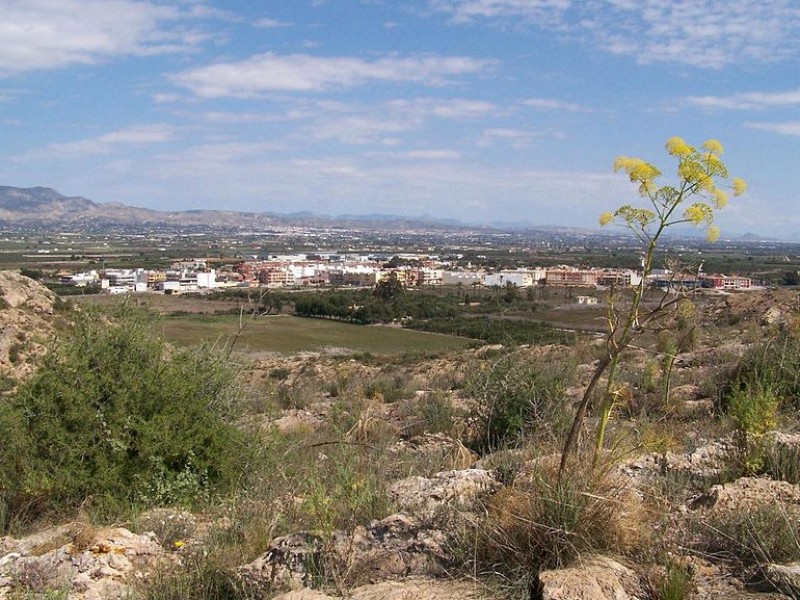
In an area as steeped in history and tradition as the Vega Baja del Segura in the south of the province of Alicante, the municipality of San Isidro is something of a rarity, since the small town did not even exist until the 1950s.
In the Costa Blanca, of course, there are plenty of purpose-built residential developments, most of them close to golf courses, beaches or both, but San Isidro is one of the first and it came about as one of the consequences of the diversification of farming in the Vega Baja in the mid-20th century, while construction of the Tajo-Segura water supply channel was under way.
In 1952, projects to convert unused land into productive agricultural plots were set in motion, treating water from local salt flats and creating an irrigation network, and at the same time architect Fernández del Amo entrusted with given the task of providing somewhere to live for those who would work at the new agricultural concerns. The location was within the boundaries of the municipality of Albatera, and in 1956 the keys to the first homes in the new town of San Isidro were handed over, but it was not until 1993 that segregation from Albatera was achieved.
The date of this event, March 22, is still one of the local holidays which are celebrated every year, while the Fiestas Patronales encompass the feast days of Santa Fátima on May 13 and San Isidro Labrador two days later. These fiestas include a Romería on the first Sunday of the month, a carnival-style float parade on May 13 and a procession of the figures of the two saints on May 15.
The new municipality of San Isidro covers an area of under 12 square kilometres, and given its short history it is unsurprising to relate that there are no centuries-old monuments of historical interest to see there. However, the town is proud of its Modernist church (1956), particularly the mosaics on the façade and the bell tower and the interior altar screen. At the back of the church is a small square containing an attractive stone cross.
Another mosaic monument is the one by Manuel Baeza on the main street, which depicts the figure of San Isidro himself. Fittingly, given the reason for the town being created, it is palced in an agriculturally themed area, and stands close to the monolith in remembrance of the Orihuela poet Miguel Hernandez: every year the “Senda del Poeta” walk runs through San Isidro as it commemorates important places and events in Hernández’s life on a route from Orihuela to Alicante.
San Isidro itself may not have a long history, but there are two important reminders of the past of the area. One is just a few metres from the railway station in the south of the town, where a monument has been erected consisting of two iron beams with chains wrapped around them. This peculiar structure is in commemoration of the men who lost their lives at the Albatera concentration camp which was set up here during the Spanish Civil War and continued in use for years after it ended in 1939: few details are known about it, but it is the only such camp to have been documented in the province of Alicante, although nowadays the site, or at least part of it, is occupied by a palm grove, and only a converted watchtower remains.
Further outside the town is Cabezo Pardo, a hill on which archaeological remains dating from the Bronze Age (approximately 700 BC) have been found underneath later structures which were built in the 8th and 9th centuries AD.
San Isidro, then, is unusual within the Vega Baja, if only for its short history (and orderly street map!), but at the same time, of course, it shares the rich gastronomic traditions of its neighbours in the rich farmland of the Vega Baja, and this only adds to the attractiveness enjoyment of the town for those paying a visit.
Main image: Wikicommons (philmarin)
SAN ISIDRO