













PROPERTY SEARCH

Rafal is a typical small town in the north of the Vega Baja del Segura
Rafal is one of the numerous small municipalities of the Vega Baja del Segura area in the south of the province of Alicante, occupying an area of under two square kilometres while at the same time being home to just under 4,500 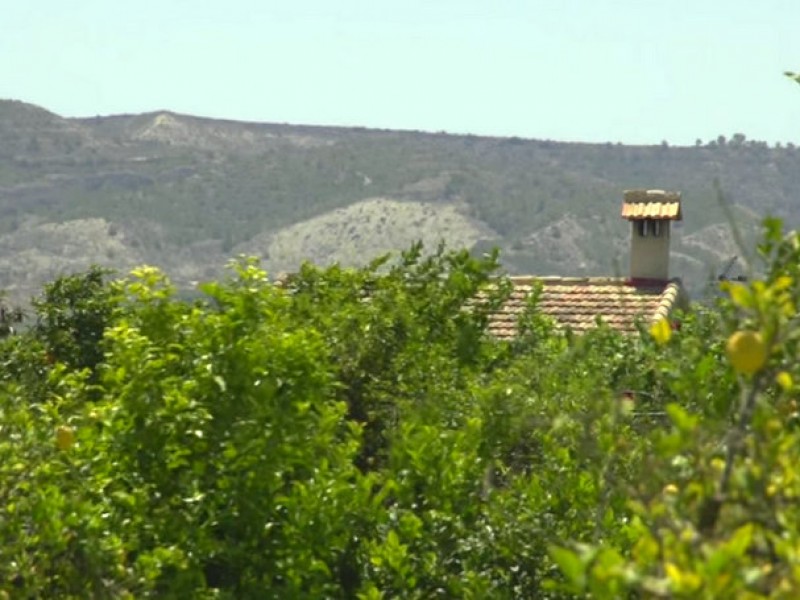 inhabitants. The municipality is surrounded on all sides by that of Orihuela, the largest in the Vega Baja, although it is actually located around half way between the city of Orihuela and the coastal towns of Guardamar del Segura and Torrevieja.
The origins of the town date back to the time of the Moorish rule in southern Spain (8th to 13th century AD), and as is the case of so many places in Alicante this is reflected in its name. Originally the area was referred to by the Moors as “Rahal Al-Wazir”, meaning the land allotted to the local governor, but after the Reconquest by Christian forces this was first shortened to “Rahal” and then corrupted to Rafal.
Appropriately, perhaps, nowadays there is once again a sizeable north African community in Rafal, consisting mainly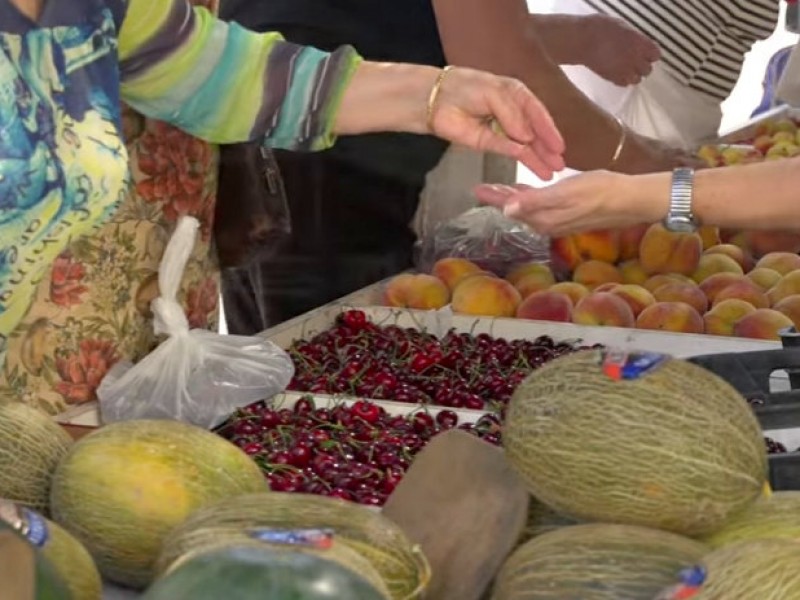 of those who have come to the EU in search of work in the fields and orchards of the Vega Baja. At one time these were farmed for mulberry trees (used for cultivating silkworms) and cotton as well as fruit and vegetables, but nowadays it is these last crops which provide the mainstay for the local economy. In addition, of course, they help to define the local gastronomy, which shares much in common with the rest of the southern end of the province of Alicante!
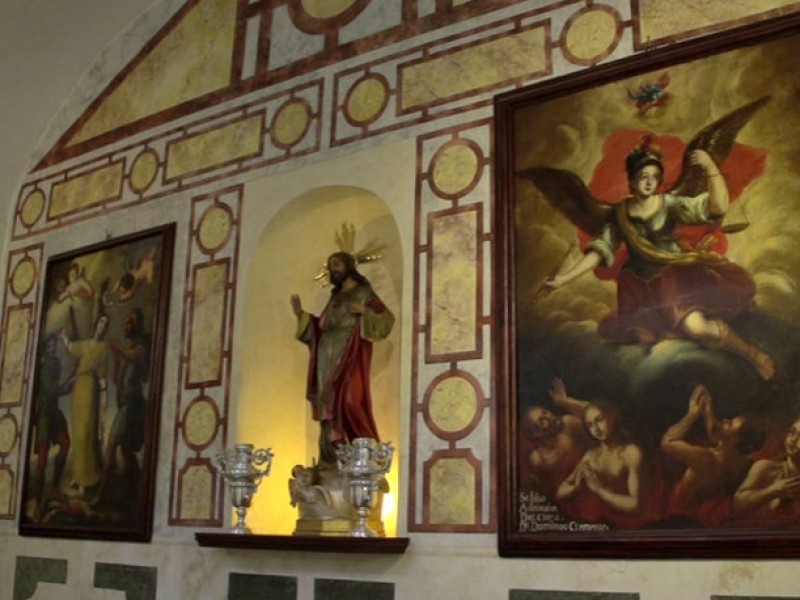
When the Christians repopulated Rafal and surrounding areas in the years after the Reconquista the townspeople soon adopted the Virgen del Rosario as their patron, and the parish church is dedicated to this apparition of the Virgin Mary. The outside of the church is barely decorated at all and appears fairly austere, but inside there is a wealth of artistic heritage to be admired, including three paintings from the school of José de Ribera which were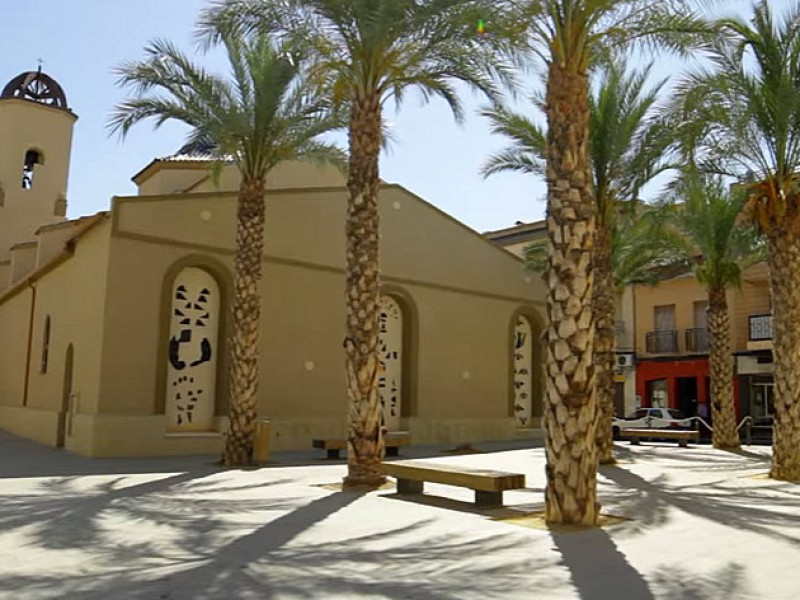 commissioned by the Marquess of Rafal from the court of Carlos III in 1775.
These paintings survived the Torrevieja earthquake in 1829, but the bell tower was not so fortunate and collapsed onto the roof above the main altar, causing the only earthquake-related fatality in the town.
In the 20th century, though, Rafal also features various far more modern buildings as a sign that it intends to continue to move with the times, including the Town Hall, the library and an auditorium.
These give the impression of a vibrant, active population, and never is this more the case than when the various annual fiestas are held. For many the most important of these are the Fiestas Patronales on and around the feast day of the Virgen del Rosario, including a religious procession on October 7 and a more pagan parade the following day, but the local Semana Santa celebrations are also worth a visit.
 The most iconic event in Rafal during this period is the “Graná” procession on Easter Day itself, when a papier-mâché pomegranate-like structure is suspended from the main archway. At dawn it opens as the figure of the Virgen del Rosario approaches, and thousands of small pieces of coloured paper and flower petals pour out as the Virgin is reunited with her son and the town symbolically commemorates the Resurrection.
Located under a kilometre north of the River Segura, around 20 kilometres from where it flows into the Mediterranean in Guardamar, Rafal is a small town, but contains all that is quintessential of a typical Vega Baja town: fertile farmland, attractive countryside, a rich history with its roots in the Moorish rule of southern Spain, a wealth of religious and pagan traditions and the gastronomy which characterizes this part of the province of Alicante.