To be listed on the CAMPOSOL TODAY MAP please call +34 968 018 268.
Guidelines for submitting articles to La Manga Club Today
Hello, and thank you for choosing La Manga ClubToday.com to publicise your organisation’s info or event.
La Manga Club Today is a website set up by Murcia Today specifically for residents of the urbanisation in Southwest Murcia, providing news and information on what’s happening in the local area, which is the largest English-speaking expat area in the Region of Murcia.
When submitting text to be included on La Manga Club Today, please abide by the following guidelines so we can upload your article as swiftly as possible:
Send an email to editor@lamangaclubtoday.com or contact@murciatoday.com
Attach the information in a Word Document or Google Doc
Include all relevant points, including:
Who is the organisation running the event?
Where is it happening?
When?
How much does it cost?
Is it necessary to book beforehand, or can people just show up on the day?
…but try not to exceed 300 words
Also attach a photo to illustrate your article, no more than 100kb
PROPERTY SEARCH
PROPERTY SEARCH
article_detail
Date Published: 20/03/2026
VAT on petrol and electricity cut to 10% as Spain unveils €5bn cost-of-living plan
A wide-ranging package of 80 measures aims to ease the burden on ordinary families and businesses due to rising prices linked to the Iran war
Spain is rolling out a sweeping €5 billion package of measures aimed at easing the rising cost of living, as the economic impact of the war in Iran continues to push up energy and fuel prices across Europe.
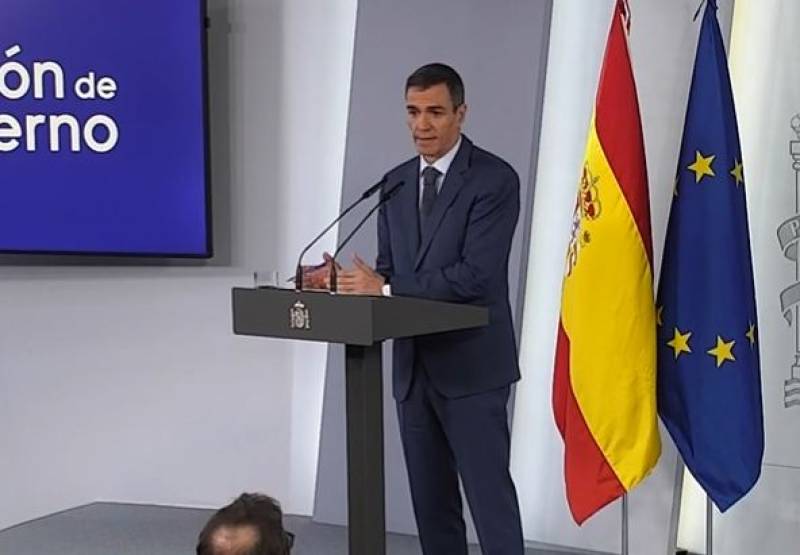
At the heart of the plan, announced by President Pedro Sánchez this Friday March 20, is a temporary reduction in VAT on petrol, electricity and natural gas from 21% to 10%. The move forms part of a wider Royal Decree-Law approved during an extraordinary Council of Ministers meeting this Friday and due to come into force following its publication in the Official State Gazette on Saturday.
The decree is one of two approved by the government, and together they form what Sánchez described as a “Comprehensive Response Plan” made up of around 80 short-term and structural measures. These span tax cuts, energy reforms and social protections designed to shield households and businesses from price shocks.
“When the plan comes into force tomorrow (it will be published in the Official State Gazette this Saturday), Spain will become the country with the strongest social and economic safety net in the entire EU in response to this illegal war, which we do not endorse,” said Sánchez.
Further energy-related measures include abolishing the 7% electricity generation tax paid by companies and cutting the 5.11% special electricity tax paid by consumers. The package also boosts the social electricity tariff, with discounts on electricity bills expected to rise to 42.5% for vulnerable households and 57.5% for those classified as severely vulnerable, while guaranteeing continued access to water and energy supplies.
Support for specific sectors is also included. Hauliers will benefit from a 20-cent-per-litre discount on diesel through the special hydrocarbon tax, while those in the agricultural sector will receive a similar subsidy for fuel use. Additional temporary aid will be available for transport operators who do not qualify for existing rebates.
The plan also revives a 15% deduction on IRPF income tax for the purchase of electric vehicles and introduces incentives for improving energy efficiency in homes, while one measure even contemplates making it illegal for companies receiving public aid to make staff redundant.
Separately, under pressure from coalition partner Sumar, the government has approved another decree proposing a rent freeze. However, Sánchez acknowledged that there is currently insufficient parliamentary support for that measure to pass.
Renewable energy protects Spain from rising electricity prices
Speaking ahead of a European Council meeting in Brussels, President Sánchez highlighted Spain’s relative resilience on energy prices, crediting long-term investment in renewables.
“The lesson Spain can teach the rest of Europe is its commitment to renewable energy,” he said, highlighting he difference in energy prices across the European Union. “Last Saturday, Spain’s electricity price stood at 14 euros per MWh. In Italy, Germany and France, it was over 100 euros per megawatt hour.”
These measures must now be ratified by Congress, but if approved, they will mark one of the most significant interventions by the Spanish government in recent years to cushion households and businesses from international energy shocks and rising prices.