









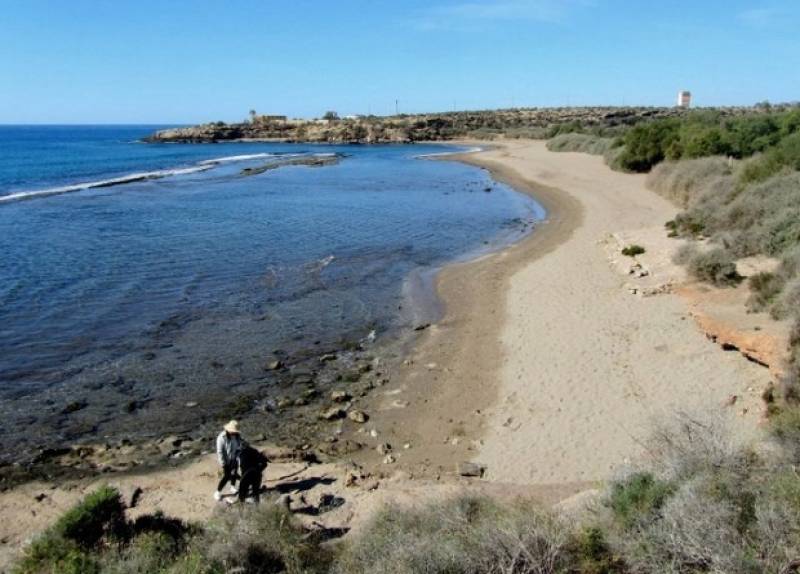
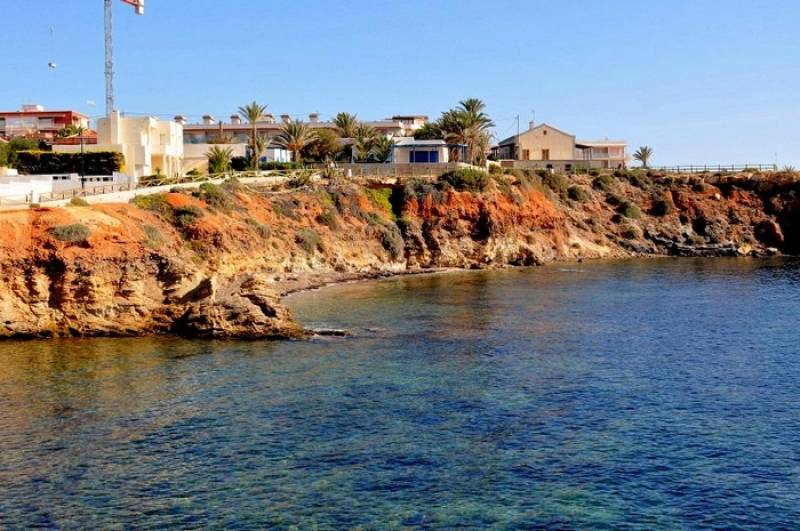









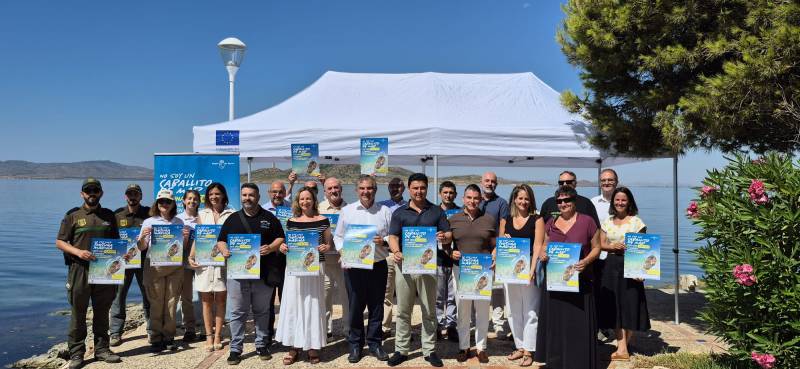
The Mar Menor has become one of the last places in Spain where the fan mussel, a giant shellfish once found across the Mediterranean, continues to survive in the wild.
The Murcia regional government has announced a new conservation plan to protect the critically endangered species, which suffered a dramatic decline after a deadly disease devastated nacra populations across the Mediterranean in 2016.
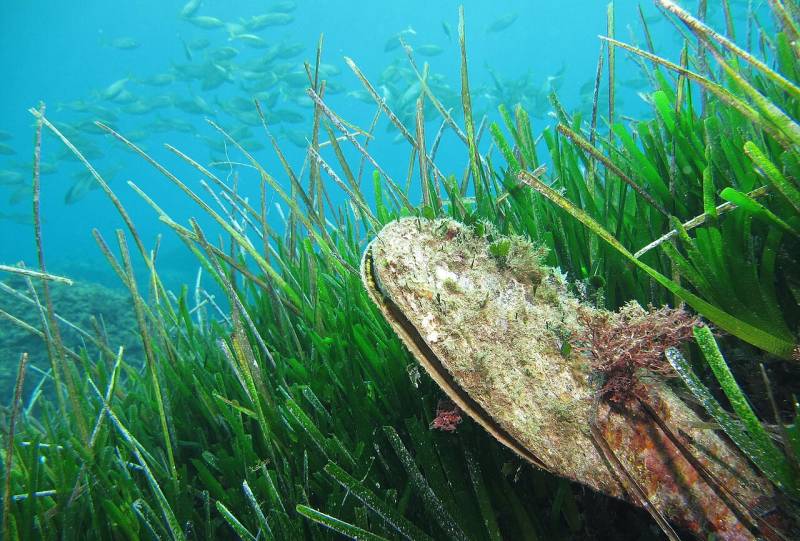 The fan mussel or nacra (Pinna nobilis) is one of the largest shellfish species in the Mediterranean and can grow to more than a metre in length. It lives partly buried in sandy seabeds and seagrass meadows, where it helps filter the water and supports the overall marine ecosystem.
Today, the Mar Menor and the Ebro Delta are the only places in Spain where natural populations of the species remain. Scientists say the lagoon has become an important refuge for the nacra after populations elsewhere were almost wiped out by disease.
The new recovery plan covers more than 28,000 hectares of the Mar Menor and Murcia coastline. Around 11,000 hectares have been identified as key conservation areas, while other parts of the coastline could help support future expansion of the population.
More than 30 measures are included in the six-year programme, backed by €2 million in funding. They range from scientific monitoring and habitat protection to captive breeding programmes and public awareness campaigns directed at people who use the Mar Menor and surrounding coastal waters.
The plan could also lead to temporary restrictions on anchoring in certain areas if monitoring shows nacra populations are at risk. Anchors can damage both the shellfish and the seagrass beds where they live.
There have been some encouraging signs for the species though. Researchers recently confirmed the presence of young fan mussels in the Mar Menor, the first evidence of successful natural reproduction since the 2016 crisis. Scientists believe this shows the remaining population is still capable of recovering if conditions continue to improve.
Regional officials say protecting the fan mussel is not only about saving a single species. The shellfish is considered an important indicator of the health of the marine environment, meaning its recovery could also affect the condition of the Mar Menor.
Read also: Petition to ban jet skis in the Mar Menor gains 26,000 signatures
Image: CARM