













PROPERTY SEARCH

Jellyfish, weever fish, wasps and mosquitoes: what to do when summer bites back
An allergist at a Spanish hospital breaks down what actually works for jellyfish, weever fish, wasps and bees, and some of the answers might surprise you
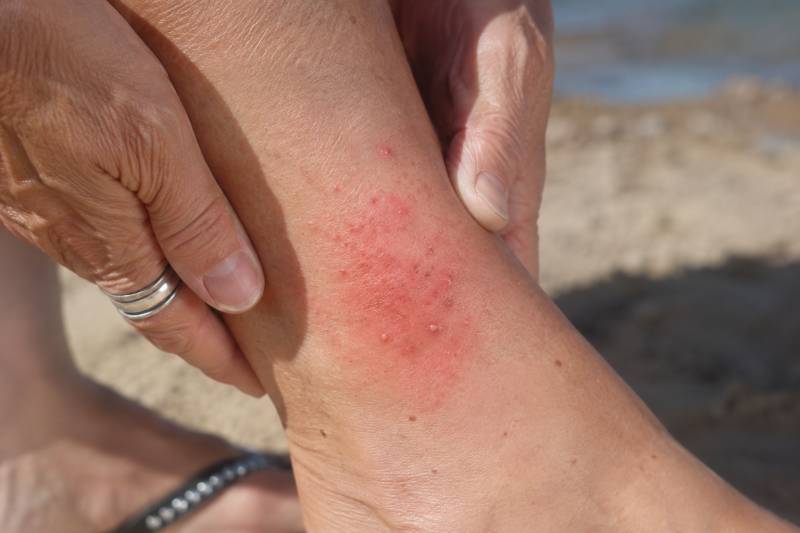 Summer in Spain comes with sunshine, beaches and, inevitably, the occasional unwelcome encounter with something that stings. Most of us have a vague sense of what to do when it happens, but according to Dr. Tatiana Navarro, an allergist at the Ribera Virgen de la Caridad Hospital, a lot of that received wisdom is wrong.
"Each one has a different mechanism and, therefore, requires specific care," she explains. The key distinction, it turns out, is whether you should reach for something cold or something warm, and getting it the wrong way round can actually make things worse.
Jellyfish: what not to do
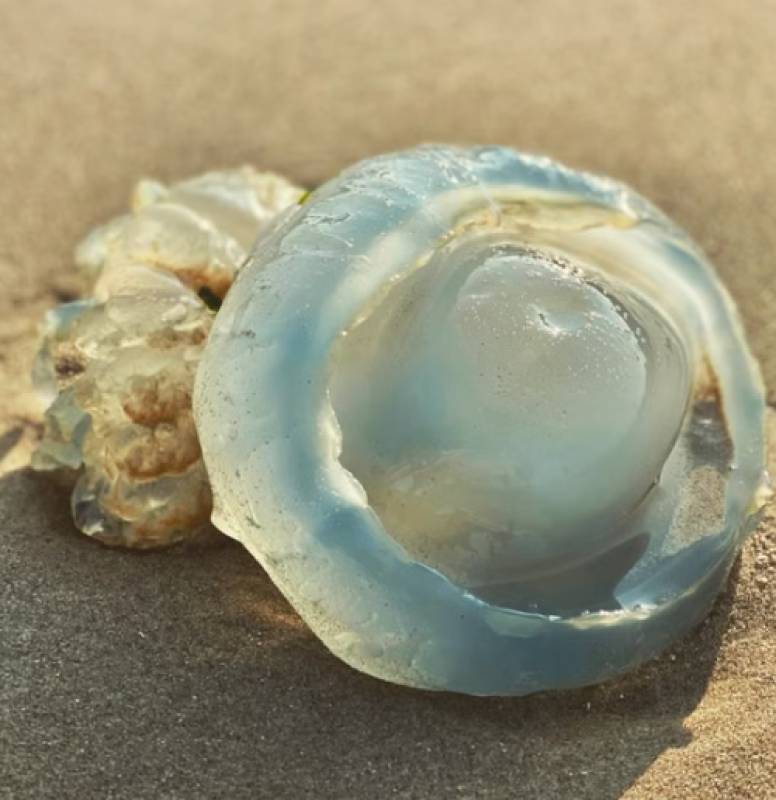 Jellyfish are the most common marine hazard along the Spanish coast, and the list of things people reach for instinctively is almost entirely wrong. Ice, alcohol, ammonia and urine are all on Dr. Navarro's list of things that make the sting worse rather than better, as is rubbing the area with sand or a towel. Despite what you may have heard, urine is firmly in the "do not use" category, and the same goes for most of the other home remedies that have been passed around for years.
If you get stung, get out of the water, resist the urge to rub the affected area, and rinse it with seawater, not fresh water. Fresh water can activate any stinging cells still attached to the skin and trigger a second release of venom. Warmth helps neutralise the venom, so cold is the wrong instinct here.
Weever fish: the hidden hazard underfoot
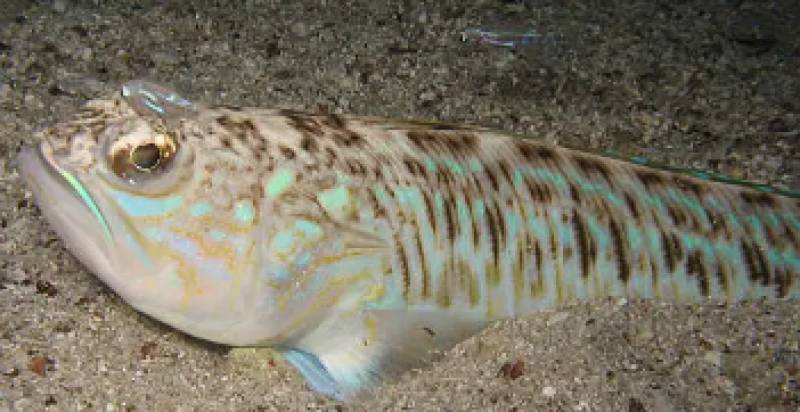 Less well known but very painful, weever fish bury themselves in shallow sandy seabeds and sting anyone unlucky enough to step on them. The reaction is toxic rather than allergic, and the pain is immediate and intense. Dr. Navarro recommends applying local heat of between 40 and 45 degrees Celsius to inactivate the venom, checking carefully for any remaining spines, and keeping an eye out for signs of infection in the days that follow. Wearing water shoes in areas where weever fish are known to be present is the simplest way to avoid the problem altogether.
Wasps and bees: when to worry
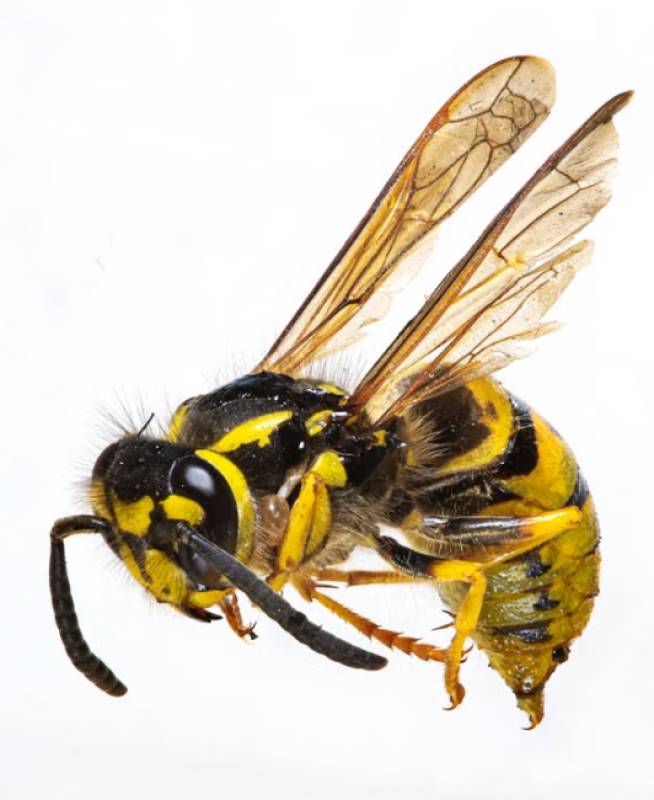 Wasp and bee stings do call for cold rather than heat. An ice pack or cold compress applied to the sting site will help reduce pain and swelling. But Dr. Navarro is keen to point out that significant swelling at the sting site doesn't automatically mean an allergic reaction. The alarm bells should ring when symptoms go beyond the local area. Generalised hives, swelling of the face or throat, difficulty breathing, dizziness or fainting all signal a systemic reaction that needs urgent medical attention. Anyone known to be allergic to bee or wasp stings should carry an adrenaline auto-injector, such as an EpiPen, and make sure the people around them know how to use it.
To reduce the risk of stings during outdoor meals, keep sugary food and drinks covered, avoid strong perfumes around insects, and move slowly and calmly if a wasp comes close. Swatting tends to provoke rather than deter.
You might also be interested in: How to make a homemade trap for wasps using an old plastic bottle
Mosquitoes: the everyday nuisance
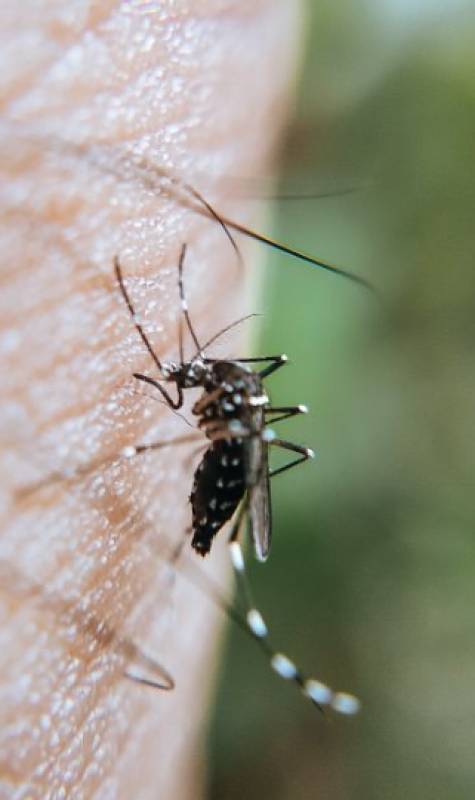 Mosquito bites are by far the most frequent complaint of the Spanish summer, and while rarely serious, they can be intensely itchy and uncomfortable. Cold is the right response here, whether an ice pack, a cold damp cloth or an antihistamine cream. Avoid scratching, which breaks the skin and risks infection. An oral antihistamine tablet can help if the itching is persistent or if you react strongly. Applying repellent before going outdoors, particularly at dawn and dusk when mosquitoes are most active, is the most effective prevention. Loose, light-coloured clothing that covers the arms and legs also helps. If you're sleeping with windows open, a mosquito net is worth considering, especially in coastal and humid areas where populations tend to be higher.
Summer in Spain is wonderful, and the occasional sting or bite is rarely more than a minor inconvenience if you handle it correctly. A little knowledge goes a long way on a Spanish summer, and most of the time the right treatment is simpler than you'd think.
You might also like: 5 garden plants that will keep mosquitos at bay
Images: AI generated, Nancy B and Gio Modzmana/Pexels
See more news about animals in Spain:
OR
Sign up for the Spanish News Today Editors Roundup Weekly Bulletin to get a comprehensive email with all the week’s news for Spain, Murcia, Alicante and Andalucía.
Get a sneak peek – here are a few of our recent Subscription Bulletins:
Discount Special Offer subscription:
36.95€ for 48 Editor’s Weekly News Roundup bulletins!
Please CLICK THE BUTTON to subscribe.