Date Published: 07/08/2026
EU brings in new AI rules to make chatbots and artificially generated content easier to spot
ARCHIVED ARTICLE -
Businesses in Spain and the rest of the EU will have to be more open when customers are interacting with AI instead of a real person
Artificial intelligence is becoming part of everyday life, whether you're shopping online, searching the internet or contacting customer services. As the technology becomes more widely used, the European Union has introduced new rules aimed at making it safer and more transparent.
The latest stage of the AI Act came into force on Sunday August 2 and although much of it is aimed at businesses, there are a few changes that ordinary people are likely to notice.
One of the biggest changes is that companies must now make it clear when you're communicating directly with an AI system rather than a real person. If you're using a chatbot to track a parcel, make a complaint or ask your bank a question, it should be obvious from the start that you're chatting to artificial intelligence. Many companies already do this voluntarily, but the new rules now make this a legal requirement in many situations.
As artificial intelligence has become increasingly capable of producing
realistic images, videos and even voice recordings, it has become much harder to tell what's genuine and what's fake. The new rules are intended to tackle this by requiring certain AI-generated or heavily manipulated content to be clearly identified where people could reasonably mistake it for the real thing.
This is particularly important when it comes to so-called deepfakes. These are images, videos or audio recordings created using AI that appear to show real people saying or doing things that never actually happened. By making this type of content easier to identify, the EU hopes to reduce the spread of misinformation and online scams.
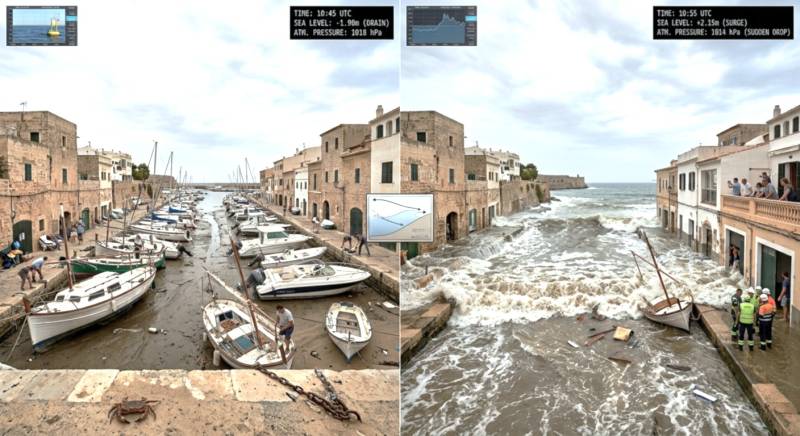
That doesn't mean every image created using AI will suddenly carry a large warning label. Rather, the focus is on realistic content that could mislead people. An obvious illustration or piece of digital artwork is very different from a photorealistic image that appears to show a genuine news event.
The companies that develop AI tools must also build in technology that helps identify content created by artificial intelligence. Although most people will never see these digital markers, they're intended to make AI-generated content easier to detect.
The legislation also applies to AI-generated text published on matters of public interest. However, articles that have been properly reviewed and edited by a person, who then takes editorial responsibility for the final version, are generally exempt from the disclosure requirement.
For most people, the changes won't transform the way they use the internet overnight. Instead, you'll probably notice more websites identifying when you're interacting with AI, more labels on realistic AI-generated images and videos and greater openness about how businesses are using the technology.
The EU has stressed that the aim isn't to slow the development of artificial intelligence, but to ensure people know when they're dealing with it.
The AI Act will continue to be introduced in stages over the next two years. More rules covering high-risk AI systems used in areas such as healthcare, education and recruitment are due to come into force during 2027, with further provisions following in 2028 as the legislation is rolled out across different industries.
Image: Freepik
article_detail

|





















 PostBotPro removes common barriers such as lack of time, uncertainty about what to post and inconsistent posting schedules. By automating routine tasks, it helps businesses focus on operations while ensuring their social media channels remain active and up to date.